Website Builds
We build websites two ways. Hand coded when the site has to do something a page builder cannot, and Webflow when the client needs to run it themselves afterwards. That call gets made per project, before any design work starts, and we tell the client which one they are getting and why.
Six are live: a design build contractor, an exotic car rental brand, a hair studio, a Scarborough salon of thirty five years, a music artist and this site.
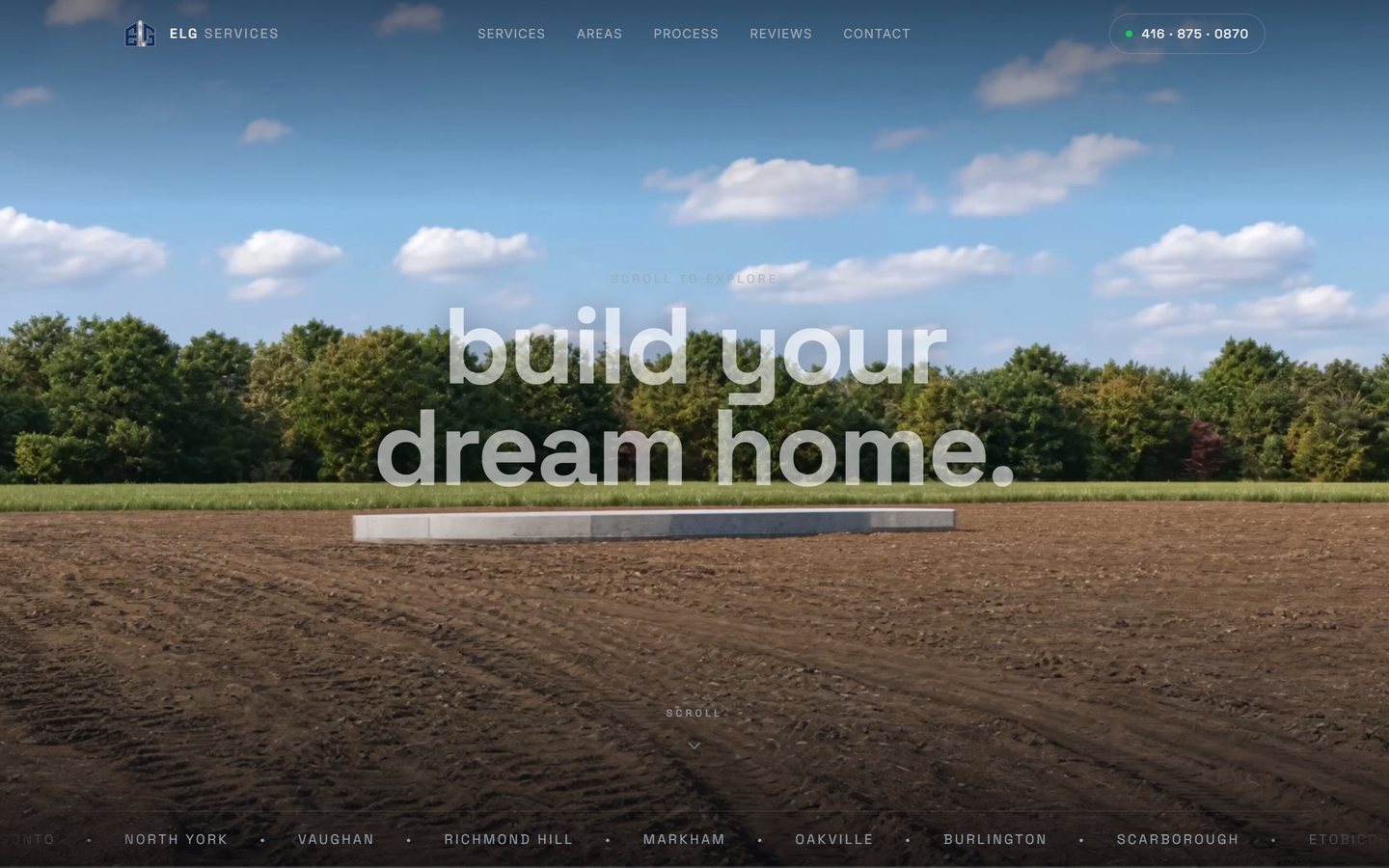
- ELG Services: hand coded, 28 pages, structured data on the homepage and 17 subpages
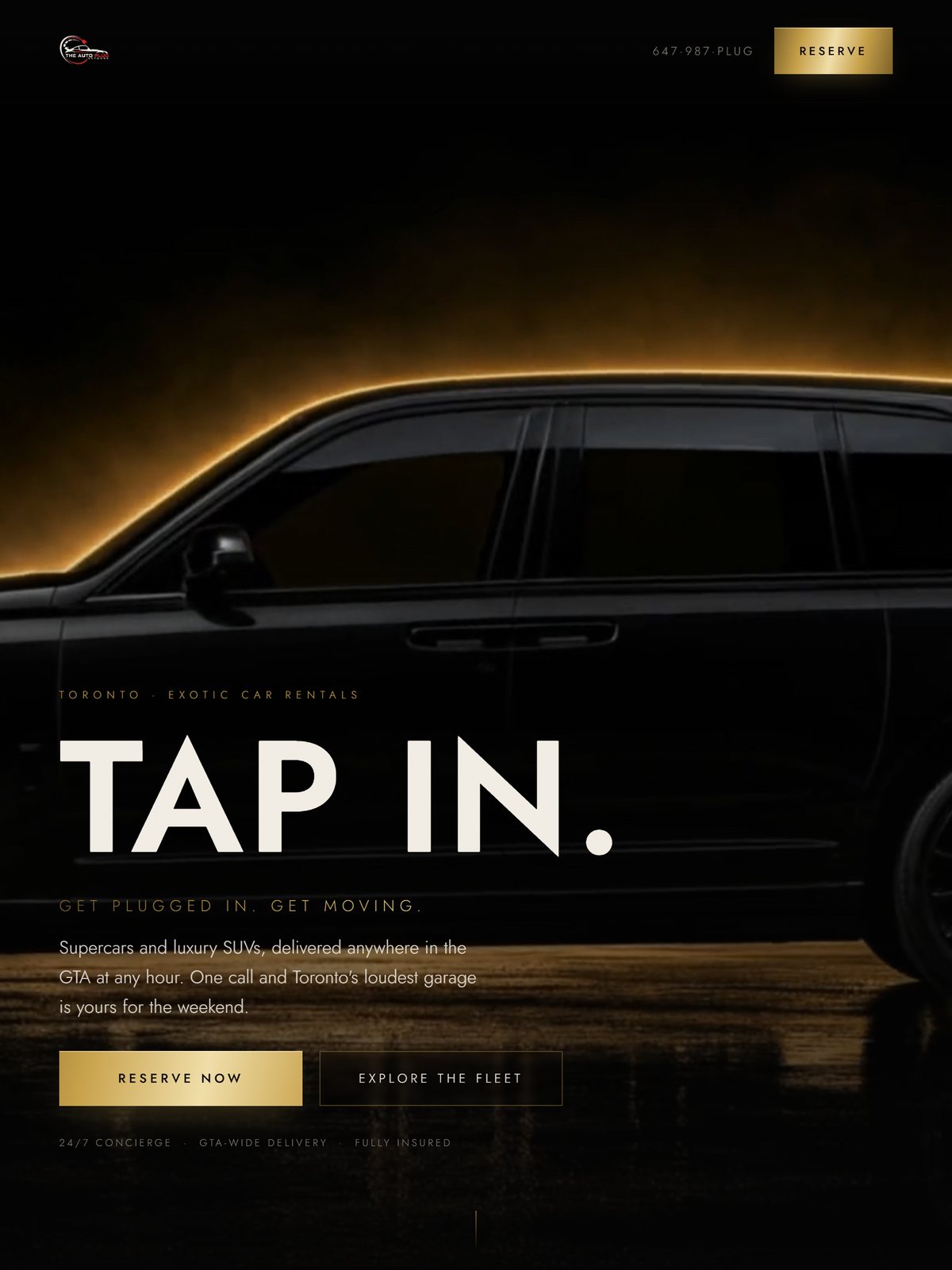
- Auto Plug Network: a scroll driven film of 971 frames, and a 30 vehicle fleet the owner updates from a single file
- Siij Hair: an editorial brand site built around booking
- House of Hairstylists: a Scarborough salon of thirty five years, rebuilt off WordPress and finally allowed to be indexed
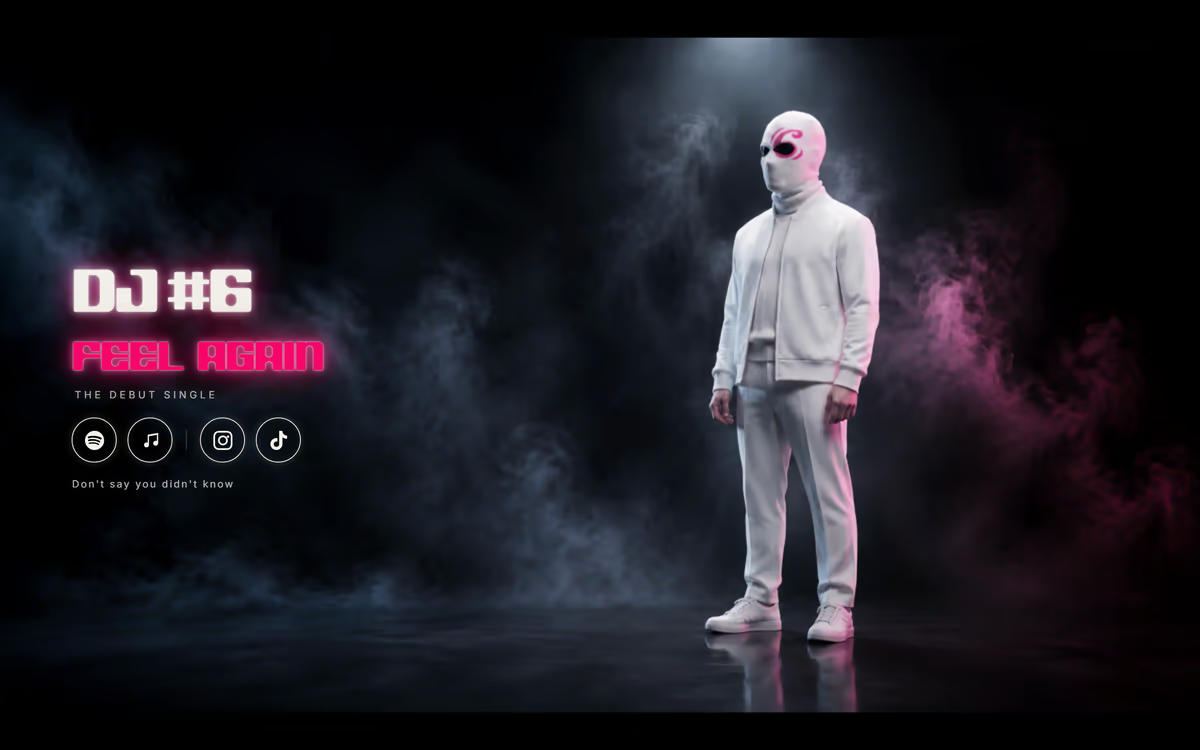
- Dj #6: a scroll driven film of 241 frames for a music release, published at two widths so phones load the lighter set
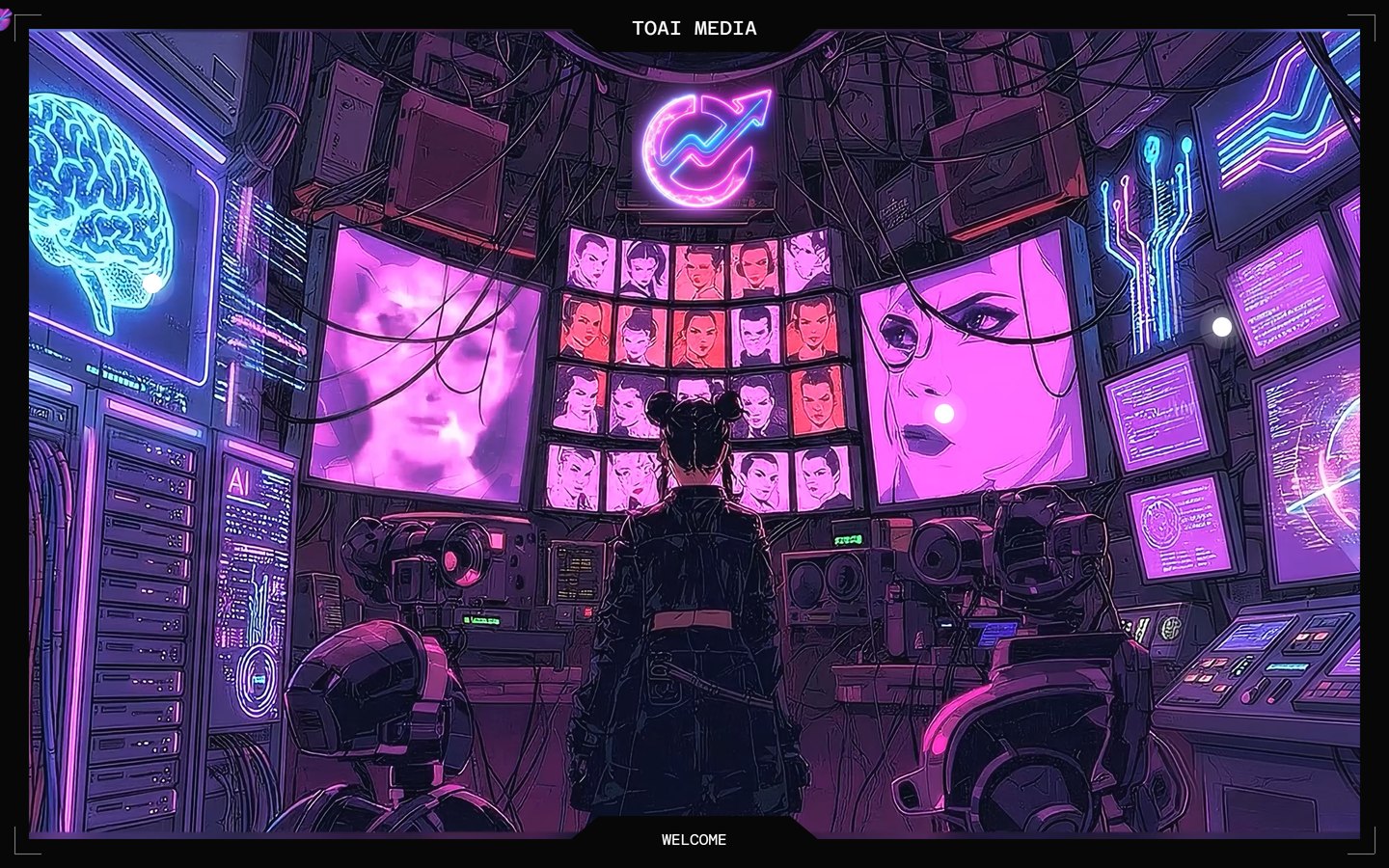
- ToAi Media: this site, a Webflow build carrying a cinematic control room entry
- 95 Performance, 100 Accessibility and 100 Best practices on toai.ca, desktop
- Self hosted typefaces on the hand coded builds, so they make no third party font request
- A baseline audit published with every launch, including our own
Four of these launched inside the last two months, so their traffic numbers do not exist yet and we are not going to invent them. What we can put in writing today is the build standard.
On toai.ca, the site you are reading right now, Google PageSpeed Insights returns 95 Performance, 100 Accessibility and 100 Best practices on desktop. That is measured on a page carrying a full screen cinematic entry, which is the part most builders would tell you to cut.
One thing we can report already. House of Hairstylists sat behind a noindex tag for years, which meant Google was never permitted to list a salon that has been open since the eighties. The rebuild is indexable and ships with a sitemap. We publish a baseline audit with every launch and we publish our own.
The work that separates these from a template is usually invisible in a screenshot.
On Auto Plug, the hard part was making 971 frames of film move smoothly on a phone. The first version held every frame in memory as an image. A phone cannot do that, so the browser quietly discarded frames and had to decode them again mid scroll, which is what a stutter actually is. We rebuilt the engine to decode frames into a window that follows your thumb, keep only what is near, and release the rest under a memory budget.
On Dj #6, the release site runs the same idea at 241 frames. The difference that matters on a phone is that the sequence is published at two widths, and the device picks the lighter one, so nobody downloads a 2560 pixel film to look at it on a 400 pixel screen.
On this site, the control room had to appear instantly without the page behind it stealing the largest paint. That meant hiding everything under the overlay from the first frame, inlining a subset of the typefaces, and pinning the video stream to one resolution so it never degrades when the loop wraps.
On ELG, 28 pages needed structured data, a frame by frame scroll hero, and a form that only reports a lead when a lead actually happened.
On House of Hairstylists, the hard part was not the design. The old WordPress build had been set to noindex and nofollow, so a salon with decades of regulars was invisible to search. The rebuild is hand coded and static, with the call, the hours and the address all reachable in one tap.
Different problems, one standard. Start here if you want one built.